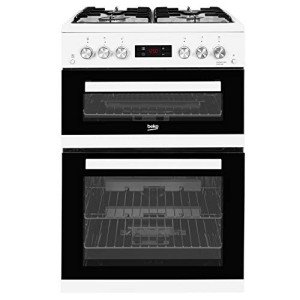
10 No-Fuss Ways To Figuring Out Your Gas Hob Cooker


Everything You Need to Know About Gas Hob Cookers
Gas hob cookers have been a staple in many kitchens for generations, commemorated for their accuracy and instant heat modifications. Whether it's a compact model for a studio apartment or a big, professional-grade unit for a bustling kitchen, gas hobs provide a range of features and advantages that can satisfy the needs of any home chef. This post explores the intricacies of gas hob cookers, analyzing their benefits, features, types, and upkeep ideas, while likewise addressing typical concerns connected to their use.
What is a Gas Hob Cooker?
A gas hob cooker, often merely described as a gas hob, is a cooking appliance that uses gas or melted petroleum gas (LPG) as its fuel source. It consists of burners mounted on a surface area, usually made of stainless-steel, glass, or enamel, with controls for adjusting the flame's intensity. Gas hobs provide instant heat and permit precise temperature control, making them a popular choice for both professional chefs and home cooks.
Benefits of Gas Hob Cookers
Gas hobs feature numerous benefits that make them a favored choice for lots of gastronomes:
- Instant Heat: The flames supply instant heat, enabling efficient cooking and reducing waiting times.
- Exact Temperature Control: Chefs can easily regulate the heat settings with a simple turn of a knob, which is vital for cooking strategies that require precise temperatures.
- Responsive Cooking: Unlike electric cooktops, gas hobs permit users to rapidly change heat levels, making it simpler to move between simmering and boiling.
- Flexibility: Gas hobs can accommodate different cookware materials, including cast iron and copper, which heat uniformly and effectively.
- Visual Flame Indicators: The flame can act as a visual cue for heat levels, assisting cooks evaluate the temperature at a look.
Kinds Of Gas Hobs
When thinking about a gas hob, there are numerous types offered, each with its attributes and advantages:
- Standard Gas Hobs: These are the most common models and function numerous burners of varying sizes for different cooking requirements.
- Built-in Gas Hobs: These hobs are designed to be incorporated into the kitchen countertop for a seamless look.
- Freestanding Gas Ranges: Combining an oven and a hob, these systems offer extensive cooking options.
- Commercial Gas Hobs: Designed for expert kitchens, they often feature heavy-duty building and construction and high-output burners.
Key Features to Look For
When selecting a gas hob cooker, it's essential to think about several elements and features:
| Feature | Description |
|---|---|
| Burner Configuration | Look for a design that accommodates your cooking design. More burners supply additional cooking space. |
| BTU Ratings | The British Thermal Units (BTU) ranking indicates the heating output of the burners. Higher BTUs indicate faster cooking. |
| Safety Features | Consider models with flame failure devices that immediately shut down the gas supply if the flame goes out, along with child lock systems. |
| Ignition Type | Hob cookers can be manually or electronically fired up. Electronic ignition is frequently more hassle-free and reputable. |
| Product and Finish | Stainless-steel, glass, and enamel surfaces differ in appearance and upkeep demands, impacting the general look of your kitchen. |
| Ease of Cleaning | Removable burner caps and grates make cleaning simpler, which is important for maintaining the appliance in the long term. |
Upkeep Tips for Gas Hobs
To keep your gas hob cooker in optimum condition, follow these upkeep ideas:
- Regular Cleaning: Clean burners, caps, and grates after each use to avoid buildup of food and grease.
- Check for Gas Leaks: Periodically examine the gas supply hose pipe and connections for any signs of leaks. A soapy water service can help determine leakages-- bubbles will form if there is a leak.
- Service the Hob: Consider professional servicing every few years to guarantee all elements are functioning correctly and securely.
- Replace Worn-out Parts: Keep an eye on the igniters and burner caps, changing them as required to keep performance.
Regularly Asked Questions (FAQs)
1. Can I use any type of pots and pans on a gas hob?
Most cookware types are suitable for gas hobs; however, guarantee that the base of the pots and pans is flat to guarantee appropriate heat circulation. New Gas Cooker like stainless-steel, cast iron, and copper work best.
2. Are gas hobs more energy-efficient than electrical ones?
In general, gas hobs tend to be more energy-efficient than electrical cooktops. They supply instantaneous heat and need less time to reach cooking temperature levels.
3. How do I understand if I have a gas leakage?
If you smell gas or hear a hissing sound, check connections and tubes thoroughly. If a leakage is suspected, switch off the gas supply immediately, aerate the area, and get in touch with an expert.
4. Can I utilize a gas hob in a house?
Yes, numerous apartment or condos are equipped with gas supply for cooking. It's suggested to check with your property owner or home management concerning guidelines and safety steps.
5. What should I do if the flame heads out while cooking?
If the flame goes out, switch off the burner and wait a couple of minutes before attempting to relight it to avoid a gas buildup. Constantly guarantee there appertains ventilation.
Gas hob cookers continue to be an exceptional option for culinary lovers seeking accuracy and instant control over their cooking. Comprehending their advantages, different types, essential features, and maintenance requirements is vital for making an informed option. With the right gas hob, anyone can raise their cooking experience, achieving professional outcomes from the convenience of home. Whether you're preparing an easy weeknight supper or a luxurious banquet for guests, gas hobs are a dependable and flexible addition to any kitchen.